
HR decisions were once driven largely by experience and intuition. While human judgment remains important, organizations increasingly rely on data to guide workforce planning, hiring, performance management, and retention strategies. Data-driven HR is becoming a competitive advantage rather than a trend.
The shift is driven by complexity. Growing organizations manage diverse teams, hybrid work models, and evolving skill requirements. Without data, HR teams struggle to identify patterns, predict risks, and justify strategic decisions.
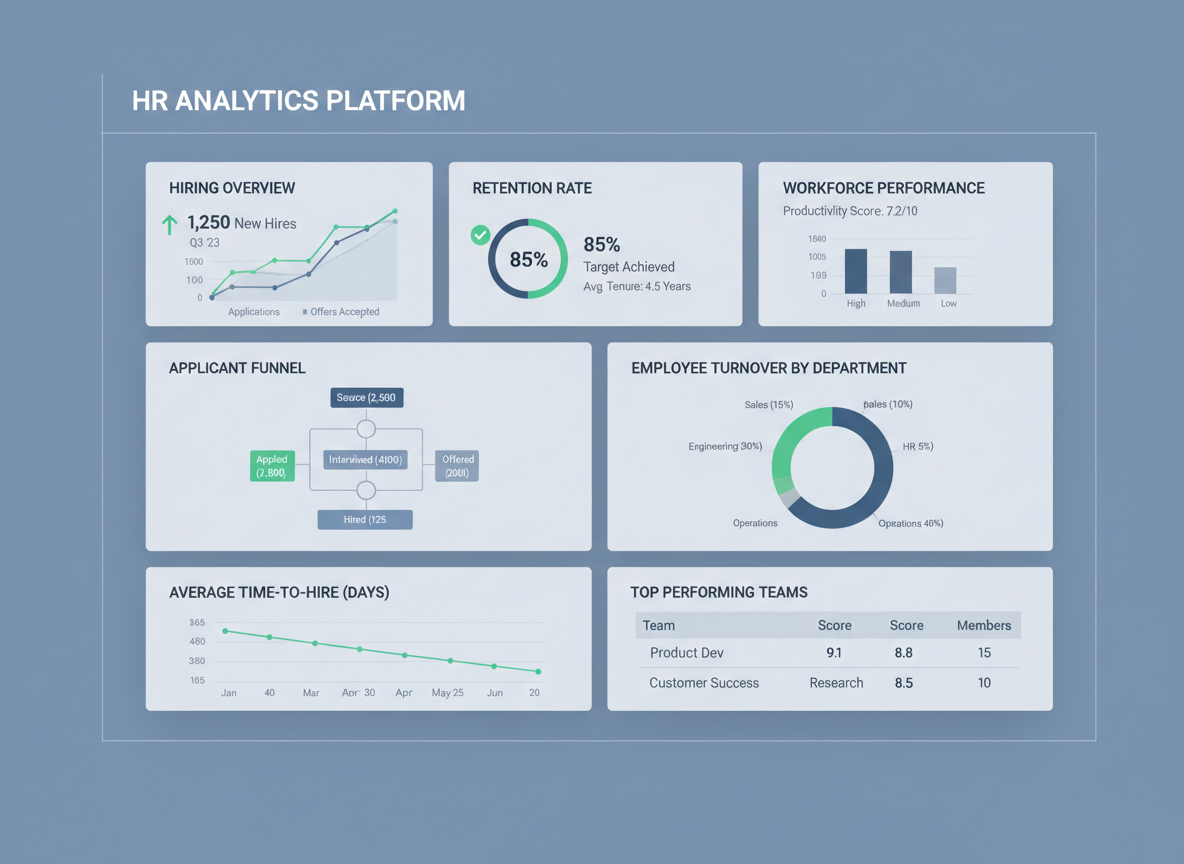
HR analytics platforms aggregate data from recruitment systems, performance tools, engagement surveys, and payroll systems. This unified view enables HR leaders to analyze workforce trends objectively rather than relying on assumptions.
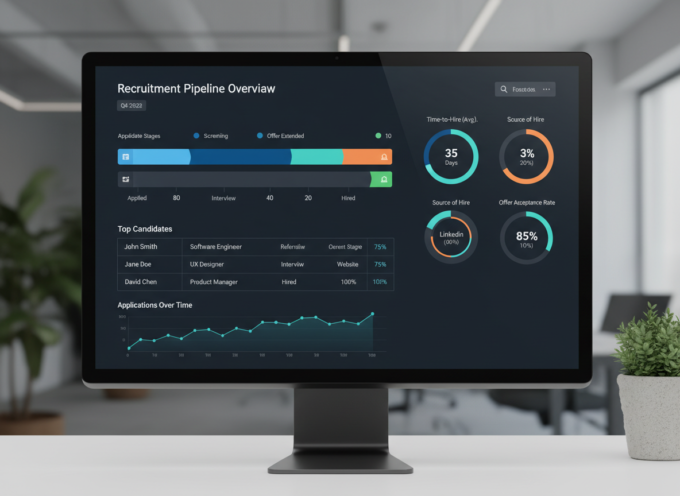
One key application is talent acquisition. Data helps identify which hiring channels produce high-performing employees and which lead to higher turnover. This allows HR teams to optimize sourcing strategies and reduce hiring costs.
Retention is another critical area. By analyzing engagement scores, performance trends, and absenteeism data, HR teams can detect early signs of attrition. Proactive interventions—such as role adjustments or development opportunities—can be applied before employees disengage.
Workforce planning also benefits from data-driven insights. HR teams can forecast future skill needs, assess capacity gaps, and align hiring with business growth plans. This reduces reactive hiring and improves long-term workforce stability.
Data-driven HR also improves credibility. When HR recommendations are supported by measurable insights, leadership teams are more likely to act on them. This positions HR as a strategic partner rather than a support function.
Organizations that adopt data-driven HR practices make better decisions faster. In competitive markets, this ability to align people strategy with business outcomes becomes a meaningful advantage.










Leave a comment