

B2B marketing has become increasingly complex. Longer sales cycles, multiple decision-makers, and fragmented buyer journeys make it difficult to manage campaigns manually. As a result, B2B marketing teams are investing more heavily in technology platforms to improve efficiency, visibility, and performance.
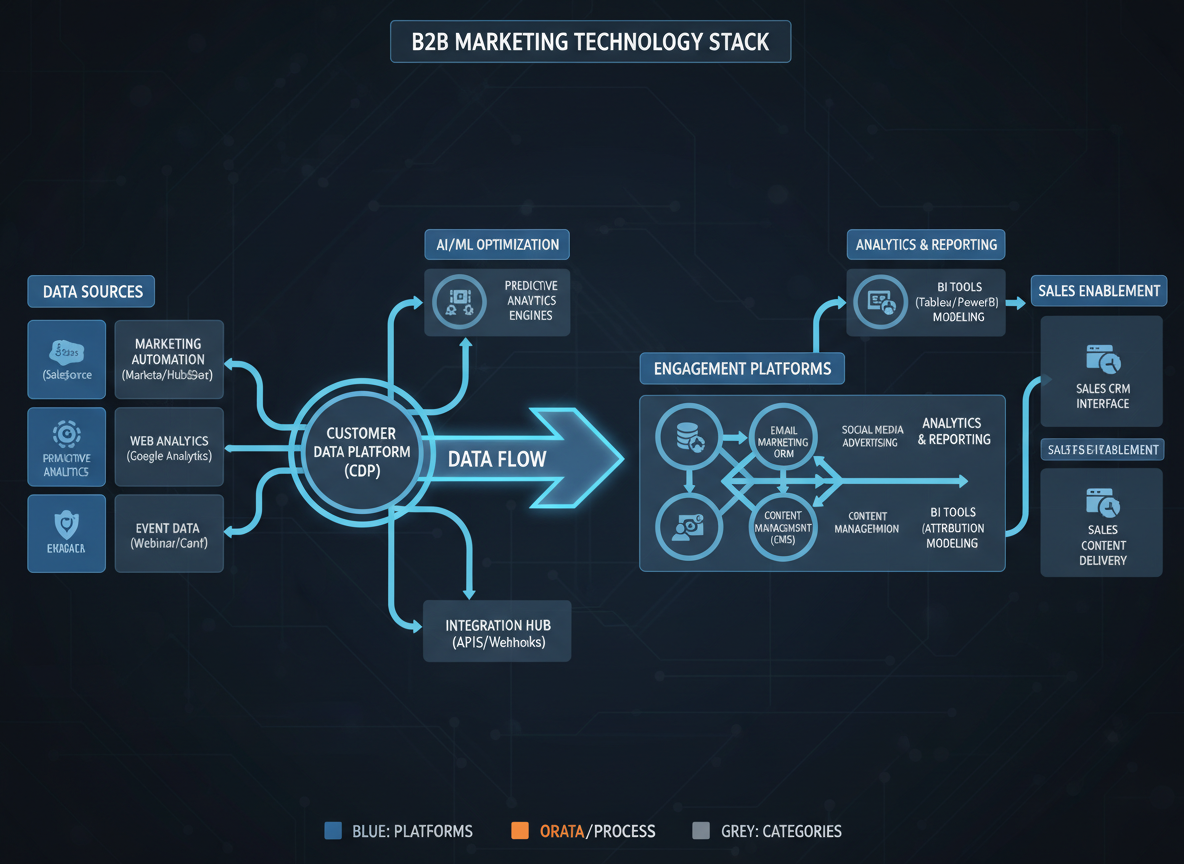
Traditional marketing methods relied on isolated campaigns and limited tracking. Today, buyers interact across websites, email, social media, events, and sales touchpoints. Marketing technology platforms help unify these interactions, enabling teams to manage campaigns holistically rather than channel by channel.
One major driver is data consolidation. Marketing platforms integrate data from CRM systems, analytics tools, and engagement channels, creating a single view of leads and prospects. This improves segmentation, targeting, and personalization without increasing manual effort.
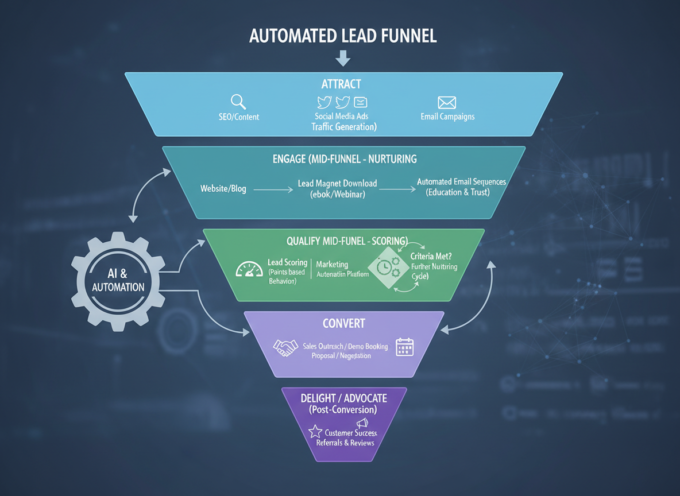
Automation is another key factor. Marketing teams use technology to automate lead nurturing, campaign execution, and performance reporting. This reduces repetitive work and allows teams to focus on strategy and optimization.
Measurement and accountability have also improved. Modern platforms provide real-time insights into campaign performance, lead quality, and conversion trends. This enables marketers to demonstrate ROI more clearly and align marketing efforts with business objectives.
As competition increases, technology becomes a differentiator. Teams that leverage the right platforms operate more efficiently, adapt faster, and deliver more consistent experiences.
Investment in marketing technology is not about tools alone—it is about building scalable systems that support sustainable growth.











Leave a comment