
Employee onboarding is often underestimated, yet it plays a critical role in productivity, engagement, and retention. Manual onboarding processes—paperwork, email instructions, and fragmented systems—create confusion and slow down new hires. Automation is transforming onboarding into a structured, consistent, and scalable process.
In traditional onboarding, HR teams spend significant time coordinating documentation, system access, and training schedules. Errors and delays are common, especially when onboarding multiple employees simultaneously. Automation reduces this burden by standardizing workflows and minimizing manual intervention.
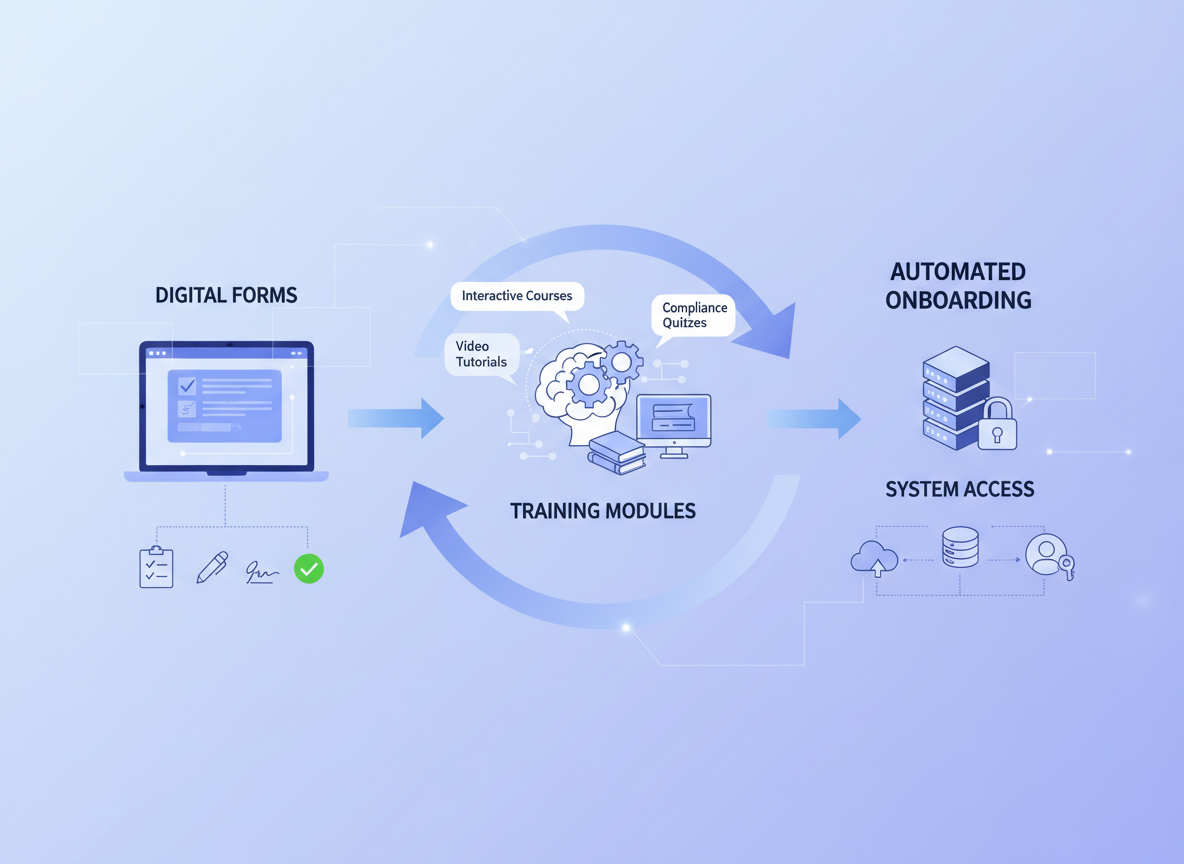
Automated onboarding platforms handle tasks such as document collection, policy acknowledgments, and form submissions digitally. New hires complete required steps before their first day, allowing them to focus on role-specific learning rather than administrative tasks.
System provisioning is another area where automation adds value. Integration between HR systems and IT tools enables automatic creation of user accounts, access permissions, and software licenses based on role definitions. This ensures new employees are productive from day one.
Consistency is a major benefit. Automated workflows ensure every employee receives the same onboarding experience regardless of department or location. Training modules, orientation materials, and compliance requirements are delivered in a structured sequence, reducing gaps and misunderstandings.
Automation also improves tracking and accountability. HR teams can monitor onboarding progress, identify incomplete tasks, and intervene when necessary. Managers gain visibility into onboarding milestones, allowing them to support new hires more effectively.
From the employee perspective, automated onboarding reduces uncertainty. Clear task lists, timelines, and guided workflows help new hires integrate faster and feel supported early in their tenure.
Modern onboarding automation does not replace human interaction—it complements it. By removing repetitive administrative work, HR teams can focus on engagement, mentorship, and cultural integration, which ultimately drive long-term retention.









Leave a comment