


Financial operations involve numerous repetitive processes such as invoicing, reconciliation, reporting, and compliance checks. As transaction volumes grow, manual handling becomes inefficient and error-prone. Automation is increasingly essential for maintaining accuracy and operational efficiency.
Automation tools streamline routine tasks by applying predefined rules and workflows. Invoice processing systems extract data automatically, validate entries, and route approvals without manual intervention. This reduces processing time and minimizes errors.
Reconciliation is another area where automation adds value. Automated matching of transactions across bank statements, ledgers, and payment platforms eliminates time-consuming manual checks. Discrepancies are flagged immediately, allowing faster resolution.
Compliance and reporting also benefit significantly. Automated systems track regulatory requirements, generate audit-ready reports, and maintain detailed audit trails. This reduces risk while simplifying regulatory reviews.
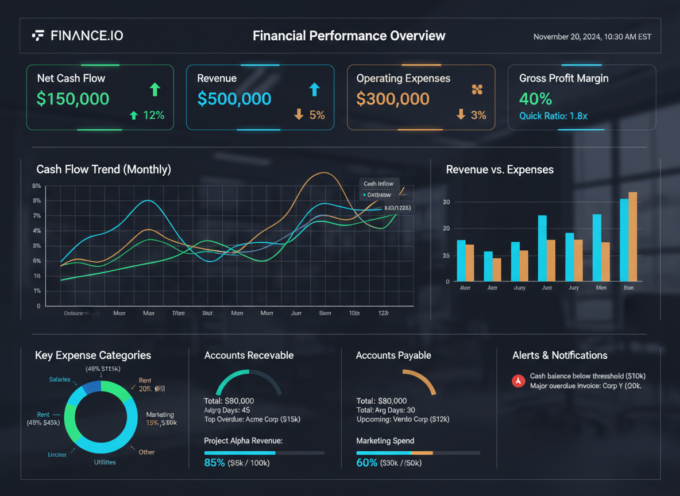
Cost control improves as well. Automation provides visibility into spending patterns and highlights inefficiencies. Finance teams can identify unnecessary expenses and implement corrective measures quickly.
Beyond efficiency, automation enhances scalability. As organizations grow, automated processes handle increased workloads without proportional increases in staffing. This supports sustainable growth while controlling operational costs.
Successful automation starts with identifying high-volume, rule-based processes. Gradual implementation ensures minimal disruption and measurable returns.
Automation is no longer a finance luxury—it is a necessity. Organizations that automate financial operations gain speed, accuracy, and resilience in an increasingly complex business environment.











Leave a comment