

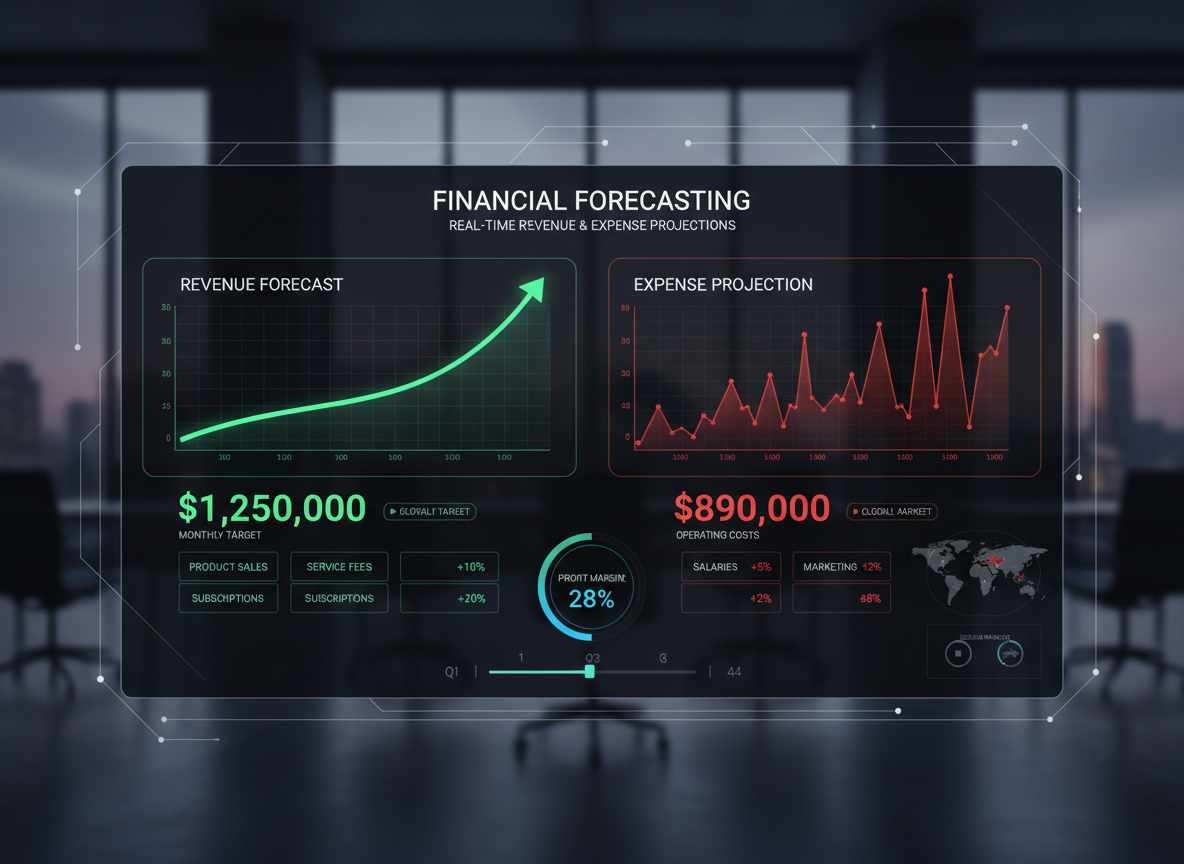
Accurate financial forecasting is critical for planning, budgeting, and strategic decision-making. However, many finance teams still rely on spreadsheets, manual assumptions, and historical averages that fail to reflect real-time business conditions. Technology is changing this by enabling more precise, data-driven forecasting models.
Modern financial systems integrate data from multiple sources such as ERP platforms, CRM tools, payroll systems, and banking data. This unified view allows finance teams to analyze revenue trends, cost behavior, and cash flow patterns more accurately. Instead of working with static snapshots, teams operate with continuously updated financial data.
Automation plays a key role in improving forecast reliability. Automated data ingestion reduces manual errors and ensures consistency across reporting periods. AI-driven models can identify patterns and anomalies that traditional forecasting methods often miss, such as seasonal demand shifts or unexpected cost spikes.
Scenario modeling is another major improvement. Finance teams can simulate best-case, worst-case, and most-likely scenarios based on different assumptions. This helps leadership understand risk exposure and prepare contingency plans rather than reacting to surprises.
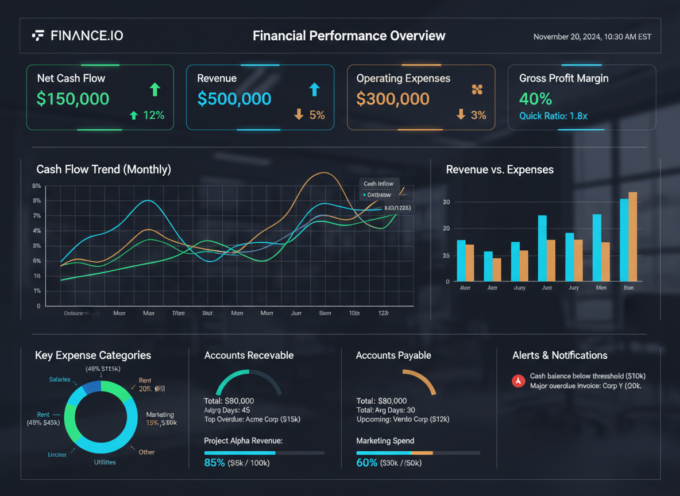
Forecast accuracy also improves collaboration. Shared dashboards and reporting tools enable finance, operations, and leadership teams to align around the same data. This transparency reduces miscommunication and speeds up decision-making.
Importantly, technology does not replace financial expertise. Instead, it augments it by removing manual effort and providing better insights. Finance professionals can focus on analysis and strategy rather than data reconciliation.
Organizations that invest in forecasting technology gain better visibility into future performance. Improved accuracy leads to more confident planning, optimized resource allocation, and stronger financial control.












Leave a comment