


AI adoption was once considered experimental, but for growing enterprises, it is becoming a necessity. As businesses scale, complexity increases across operations, customer management, and decision-making. Manual processes struggle to keep pace, creating inefficiencies that limit growth.
One major driver is data volume. Growing enterprises generate more data than teams can analyze manually. AI enables organizations to extract insights, identify trends, and make faster decisions based on accurate information.
Competitive pressure also accelerates adoption. Companies that use AI to automate workflows, personalize customer experiences, and optimize operations gain efficiency advantages that are difficult to match through manual processes alone.
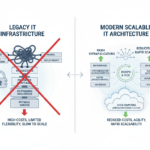
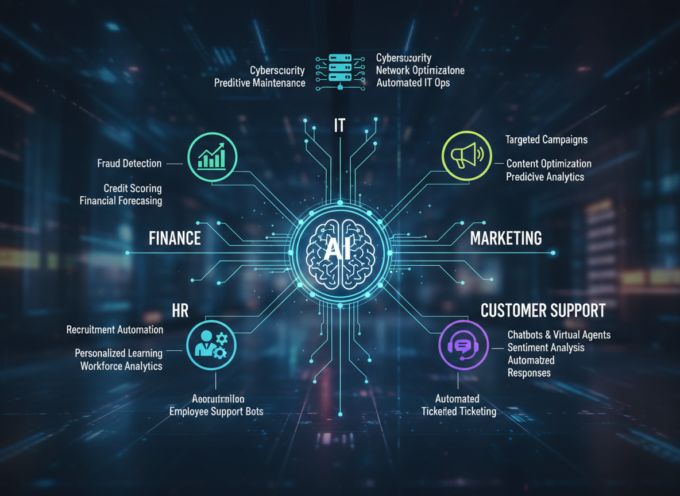
AI also supports scalability. Automated systems handle increased workloads without proportional increases in staffing, helping organizations grow sustainably. This is particularly important in functions such as customer support, finance, and operations.
Risk management is another factor. AI improves detection of anomalies, compliance gaps, and operational risks. Early detection reduces financial exposure and operational disruptions.
Despite these benefits, AI adoption does not require immediate large-scale investment. Many enterprises start with focused use cases—such as analytics automation or customer service enhancement—and expand gradually.
The barrier is often organizational readiness rather than technology availability. Successful adoption requires clear objectives, quality data, and change management to integrate AI into daily workflows.
For growing enterprises, AI is no longer optional because inefficiency becomes increasingly costly at scale. Organizations that delay adoption risk falling behind competitors who operate faster and more intelligently.












Leave a comment